
How to Remove Pseudomonas Bacteria from Drinking and Aquaculture Water
Engage With Us
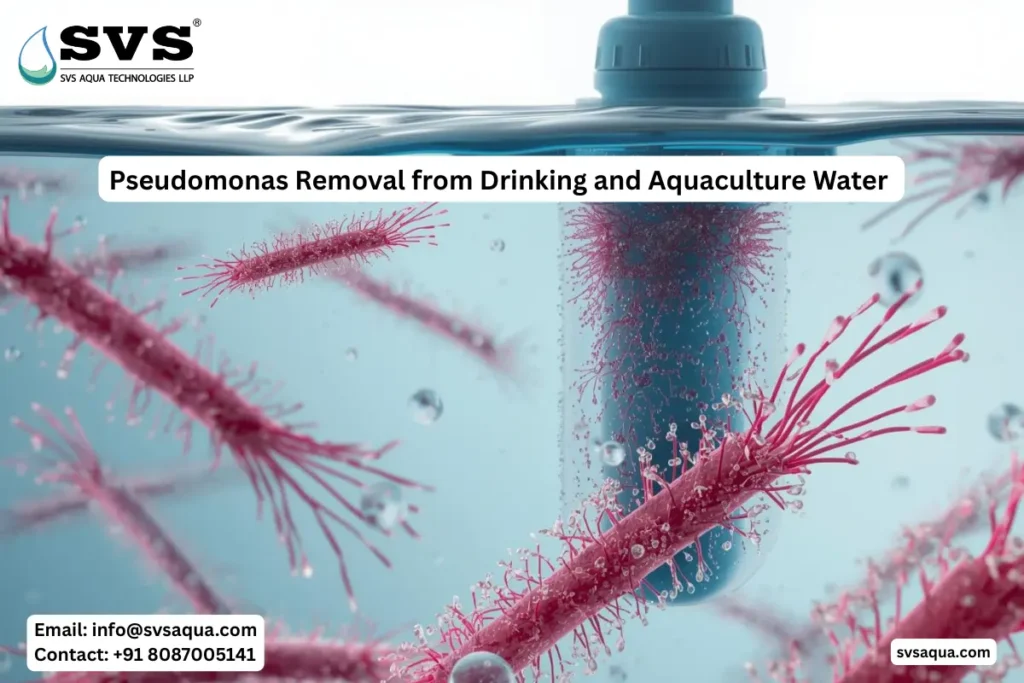
Pseudomonas bacteria are a major threat to aquaculture settings and drinking water systems. These dangerous microorganisms produce biofilms, degrade water quality, and infect humans and fish. Maintaining safe, hygienic, and bacteria-free water requires an understanding of efficient removal methods.
Engage With Us
What are Pseudomonas Bacteria?
A particular kind of bacteria called Pseudomonas inhabits soil, water, and other damp conditions. In warm water, it grows rapidly and creates biofilms on surfaces. Both humans and fish are susceptible to illness from these bacteria.
Pseudomonas give drinking water unpleasant flavours and smells. It causes illnesses that damage fish populations in aquaculture, such as fin rot and ulcers.
Why Pseudomonas Removal in Water Matters
Removing Pseudomonas from water systems is essential for several reasons:
- Health Safety: These bacteria can cause infections in humans, especially those with weak immune systems
- Fish Protection: Pseudomonas causes bacterial diseases that kill fish in farms and ponds
- Water Quality: It affects taste, smell, and clarity of drinking water
- System Maintenance: Biofilms clog pipes and damage equipment over time
Common Pseudomonas Disinfection Methods
- Chlorination
Regular chlorine treatment kills Pseudomonas bacteria in water. Add chlorine at 1-5 ppm levels to disinfect effectively. However, these bacteria can resist standard chlorine doses, so proper monitoring is important.
- UV Light Treatment
UV light damages Pseudomonas DNA, preventing it from multiplying. Install UV systems in water lines for continuous disinfection. This method works well, but doesn’t remove biofilms already formed on surfaces.
- Ozone Treatment
Ozone is a powerful oxidiser that quickly eliminates Pseudomonas. It leaves no harmful residue and breaks down naturally. Ozone systems work great for large aquaculture operations.
- Chlorine Dioxide for Pseudomonas
One of the best methods for managing Pseudomonas is known to be chlorine dioxide. These are the explanations for its effectiveness:
- Strong Disinfection: Removes microorganisms at lower quantities than regular chlorine.
- Elimination of Biofilms: Destroys pre-existing biofilms that allow bacteria to hide.
- Durable: Provides extended protection by staying active in water for a longer period.
- Fish-Friendly: When used in the right amounts, it is less damaging to aquatic life.
- pH Neutral: Operates effectively at a range of pH values.
In the context of aquaculture water treatment, chlorine dioxide offers dependable disinfection against Pseudomonas without endangering fish when used properly.
Pseudomonas Control in Aquaculture
Fish farms require special attention to avert Pseudomonas outbreaks. Adhere to the following steps for effective management:
- Regular Water Testing: Conduct weekly tests on water for bacterial counts. Early detection enables prompt action before issues escalate.
- Maintain Good Water Flow: Ensure water circulation to avoid stagnant areas where bacteria can proliferate. Regularly clean filters and pumps.
- Control Water Temperature: Pseudomonas flourish in warm water (25-37°C). Implement cooling systems during warmer months to inhibit bacterial growth.
- Proper Feeding Practices: Eliminate uneaten food within 30 minutes. Excess feed generates organic matter that nourishes bacteria.
- Quarantine New Fish: Isolate new fish for 2-3 weeks. This measure prevents the introduction of infected fish into your primary system.
SVS Aqua Solutions for Pseudomonas Removal
SVS Aqua offers specialised water treatment solutions designed for effective Pseudomonas control. Our systems combine multiple disinfection methods to ensure clean, safe water.
Integrated Treatment Systems
We offer comprehensive water treatment solutions that encompass:
- Sophisticated filtration systems designed to eliminate particles and organic substances
- Chlorine dioxide dosing systems for effective disinfection
- UV sterilisation for enhanced safety
- Real-time monitoring technology
Tailored Solutions for Every Requirement
Regardless of whether you operate a small aquaculture facility or oversee a large drinking water plant, SVS Aqua develops systems tailored to your unique needs.
Step-by-Step Guide to Treat Pseudomonas
Step 1: Test your water to confirm Pseudomonas presence and measure bacterial levels.
Step 2: Clean all surfaces, pipes, and equipment to remove biofilms.
Step 3: Apply your chosen disinfection method (chlorine dioxide recommended).
Step 4: Maintain proper disinfectant levels throughout the system.
Step 5: Retest water after 24-48 hours to verify bacteria removal.
Step 6: Continue regular monitoring and preventive treatment.
Preventing Pseudomonas Growth
Prevention is easier than treatment. Keep Pseudomonas away with these practices:
- Clean water tanks and pipes every 3-6 months
- Replace old, worn equipment that harbours bacteria
- Maintain proper water chemistry (pH, temperature, oxygen)
- Use quality water sources with low bacterial counts
- Install proper filtration before water enters your system
When to Call Professionals
Certain circumstances necessitate the assistance of experts:
- Ongoing Pseudomonas outbreaks despite attempts at treatment
- Widespread contamination impacting entire facilities
- Intricate water systems that demand specialised equipment
- Requirement for certified water quality testing and analysis
The team at SVS Aqua offers professional evaluation and treatment solutions for difficult Pseudomonas issues.
Removing Pseudomonas bacteria from drinking and aquaculture water protects health and ensures quality. Chlorine dioxide for Pseudomonas offers effective, reliable disinfection that works in various applications. Combined with good water management practices, proper disinfection methods keep your water systems clean and safe.
Regular monitoring, preventive maintenance, and professional treatment solutions from SVS Aqua help you maintain Pseudomonas-free water systems year-round.
Need help with Pseudomonas control in your water system? Contact SVS Aqua today for expert solutions tailored to your needs.
FAQ's
Yes. Pseudomonas can cause serious fish diseases like ulcers, fin rot, and septicemia. If untreated, it can spread quickly and affect the entire stock.
Keep the system clean, maintain proper water flow, remove uneaten feed, control temperature, and disinfect regularly. Routine maintenance every 3–6 months helps prevent bacteria from building up.
In most cases, effective treatments like chlorine dioxide show results within 24–48 hours. After treatment, retest the water to confirm that bacteria levels have dropped.
Chlorine dioxide is considered one of the most effective solutions because it removes bacteria even at lower doses, destroys biofilms, and works across a wide pH range. It also provides long-lasting disinfection.
You can confirm the presence of Pseudomonas only through a water test. If your water has an unusual smell, cloudy appearance, fish diseases, or biofilm formation, it’s a sign you need for immediate testing.
Must Read

Effective Disinfection in Poultry Water with Chloritab
Water Disinfection Systems

Chlorine Dioxide Swimming Pool Water Treatment: Benefits and Process
Chlorine Dioxide Uses in Water Treatment