
FOOD AREA SURFACE SANITATION WITH CHLORINE DIOXIDE
THE CHALLENGE OF FOOD AREA SANITATION
The food processing industry is constantly exposed to microbial contamination due to contact with equipment surfaces, packaging areas, and water. Poor sanitation of food contact surfaces has been directly linked to outbreaks of foodborne illnesses, often caused by:
- Listeria monocytogenes
- Escherichia coli (E. coli)
- Staphylococcus aureus
Inadequate sanitation can also accelerate biofilm formation, creating an environment where bacteria thrive and multiply. These biofilms are especially dangerous in industries like dairy, where they can harbor pathogens that contaminate food products.
Traditional disinfectants such as chlorine or peracetic acids are often used to control biofilm. However, they offer limited effectiveness, higher corrosion risks, pH dependency, and unpleasant odors — making them less reliable for long-term biosecurity.
THE PRICE OF UNHYGIENIC FOOD SURFACES
The CDC (2011) states that foodborne pathogens in the US are responsible for:
- Every minute, 100 illnesses
- 15 hospital admissions every hour
- Eight deaths per day
- An estimated $7 billion is lost annually by the sector.
In addition to health hazards, inadequate cleanliness in food processing facilities causes:
- Costly product recalls and legal actions
- Harm to consumer trust and brand reputation
- Failure to comply with regulations
- Sales declines and possibly bankruptcy
Effective sanitation is obviously a vital business protection as well as a compliance obligation.
The CDC (2011) states that foodborne pathogens in the US are responsible for:
- Every minute, 100 illnesses
- 15 hospital admissions every hour
- Eight deaths per day
- An estimated $7 billion is lost annually by the sector.
In addition to health hazards, inadequate cleanliness in food processing facilities causes:
- Costly product recalls and legal actions
- Harm to consumer trust and brand reputation
- Failure to comply with regulations
- Sales declines and possibly bankruptcy
Effective sanitation is obviously a vital business protection as well as a compliance obligation.
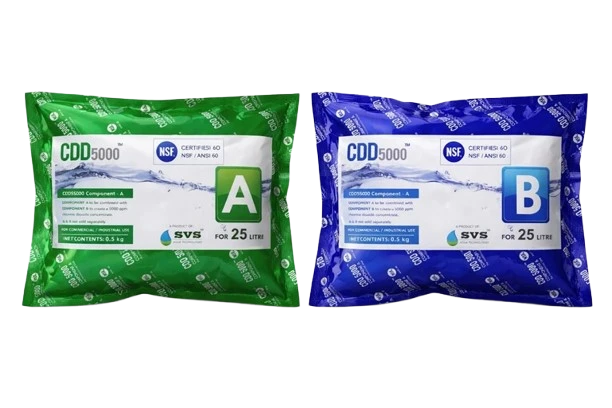
WHY CHOOSE CDD 5000 FOR FOOD PROCESSING PLANTS?
CDD 5000 is a next-generation chlorine dioxide (ClO₂) solution designed to deliver advanced microbiological control in food processing environments.
KEY BENEFITS OF CDD 5000
- Broad-Spectrum Antimicrobial Action – Kills a wide range of pathogens quickly, even at low concentrations.
- Effective Biofilm Control – Penetrates and eliminates biofilms where traditional sanitizers fail.
- Safe for Equipment – Minimizes corrosion in processing equipment, tanks, and pipelines.
- No Harsh Limitations – Unlike chlorine, iodine, or quaternary ammonium compounds, CDD 5000 is not pH dependent, does not produce foul odors, and remains highly effective against resistant pathogens.
- Compliance Support – Helps food plants meet HACCP, FDA Food Code, USDA FSIS, and other regulatory sanitation requirements.
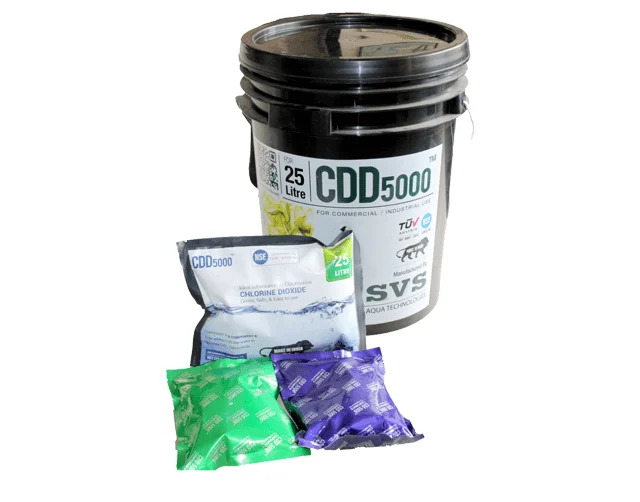
APPLICATIONS OF CDD 5000 IN THE FOOD INDUSTRY
CDD 5000 is highly versatile and effective across multiple food sectors, including:
- Poultry process water sanitation
- Seafood processing facilities
- Meat processing plants
- Fruits & vegetable washing stations
- Dairy production and packaging
Its ability to sanitize hard surfaces, drains, flume waters, and equipment makes it a vital part of any food plant’s biosecurity program.
Make Your Brand Safe with CDD 5000
There is no negotiating food safety. It is imperative to invest in sophisticated sanitation solutions because recalls, lawsuits, and brand harm cost billions of dollars annually.
The food sector now has a strong, secure, and dependable surface and process water sanitation solution with CDD 5000.
Get in touch with SVS Aqua right now to find out how CDD 5000 can improve the reputation of your brand, defend your operations, and protect your customers.
FAQs ABOUT FOOD AREA SANITATION
Proper sanitation keeps food safe by removing germs, bacteria, and viruses. It helps prevent foodborne illnesses and ensures compliance with hygiene standards.
Chlorine dioxide is used to disinfect surfaces, equipment, walls, and floors in food handling zones. It kills bacteria, molds, and other harmful microorganisms quickly and effectively.
Yes, chlorine dioxide is approved for use in food processing and storage areas. When used properly, it’s safe and leaves no harmful residues.
Yes, it neutralizes odors by killing the bacteria that cause them. It leaves food areas smelling fresh and clean.
It’s suitable for:
- Food processing units
- Restaurants and kitchens
- Dairy and meat plants
- Bakeries and beverage units