
CHLORINE DIOXIDE FOR HEALTHCARE FACILITIES: THE ULTIMATE DISINFECTION SOLUTION
- What Makes Chlorine Dioxide Special for Healthcare?
- Key Benefits of Chlorine Dioxide in Healthcare Settings
- Common Applications of Chlorine Dioxide in Healthcare Facilities
- Why Healthcare Facilities Choose Chlorine Dioxide
- Implementation Considerations for Healthcare Facilities
- Real-World Success Stories with Chlorine Dioxide
- Choosing the Right Chlorine Dioxide Solution
- SVS Aqua: Your Partner in Healthcare Disinfection
- Why Choose SVS Aqua?
- Getting Started with Chlorine Dioxide in Healthcare
- The Future of Healthcare Disinfection
- Act Today for a Safer Healthcare Facility
- FAQ's
Engage With Us
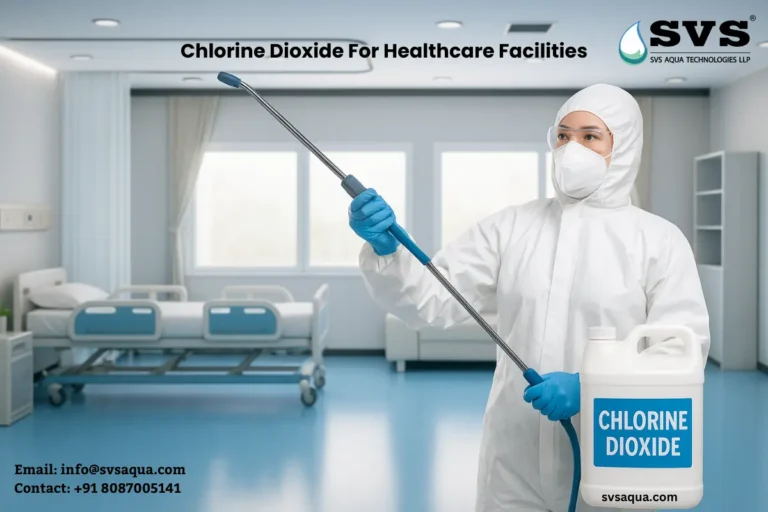
Healthcare institutions encounter distinct challenges in ensuring clean and safe environments. Given that patients often have weakened immune systems and the persistent risk of healthcare-associated infections (HAIs), selecting the appropriate disinfection method is essential. Chlorine dioxide has surfaced as one of the most effective and dependable solutions for thorough sanitization in healthcare settings.
- What Makes Chlorine Dioxide Special for Healthcare?
- Key Benefits of Chlorine Dioxide in Healthcare Settings
- Common Applications of Chlorine Dioxide in Healthcare Facilities
- Why Healthcare Facilities Choose Chlorine Dioxide
- Implementation Considerations for Healthcare Facilities
- Real-World Success Stories with Chlorine Dioxide
- Choosing the Right Chlorine Dioxide Solution
- SVS Aqua: Your Partner in Healthcare Disinfection
- Why Choose SVS Aqua?
- Getting Started with Chlorine Dioxide in Healthcare
- The Future of Healthcare Disinfection
- Act Today for a Safer Healthcare Facility
- FAQ's
Engage With Us
WHAT MAKES CHLORINE DIOXIDE SPECIAL FOR HEALTHCARE?
Chlorine dioxide (ClO2) distinguishes itself from conventional disinfectants due to its potent oxidizing capabilities. In contrast to standard chlorine, it does not generate harmful byproducts and operates efficiently over a broad pH spectrum. This characteristic renders it ideal for the varied cleaning requirements of hospitals, clinics, and medical facilities
KEY BENEFITS OF CHLORINE DIOXIDE IN HEALTHCARE SETTINGS
- Superior Germ-Killing Power: Chlorine dioxide effectively eliminates 99.9% of bacteria, viruses, fungi, and spores. It is especially potent against antibiotic-resistant organisms such as MRSA and C. difficile, which pose significant challenges in healthcare settings.
- Safe for Patients and Staff: When utilized properly, chlorine dioxide decomposes into harmless salt and water. This ensures that there are no toxic residues that could endanger patients or healthcare personnel.
- Odor Control Excellence: Healthcare facilities frequently face issues with unpleasant odors. Chlorine dioxide not only masks these odors but also completely eradicates the compounds that cause them at the molecular level.
- Versatile Application Methods: Whether you require surface disinfection, water treatment, or air purification, chlorine dioxide can be utilized in various forms to cater to your specific requirements.
COMMON APPLICATIONS OF CHLORINE DIOXIDE IN HEALTHCARE FACILITIES
Water System Disinfection
Hospital water systems can be a breeding ground for harmful pathogens such as Legionella. Chlorine dioxide is an effective treatment for:
- Cooling towers
- Hot water systems
- Ice machines
- Dialysis equipment
- Dental unit waterlines
Surface and Equipment Sanitization
Thorough disinfection of medical equipment and surfaces is essential between uses. Chlorine dioxide solutions are effective on:
- Operating room surfaces
- Patient rooms
- Medical instruments (non-invasive)
- Waiting areas
- Restrooms and common areas
- Air Purification Systems
Air Purification Systems
Airborne pathogens present significant risks in healthcare environments. Chlorine dioxide can be incorporated into HVAC systems to ensure continuous air purification throughout the facility.
Emergency Decontamination
In the event of disease outbreaks or contamination incidents, chlorine dioxide offers rapid and comprehensive decontamination of entire areas.
WHY HEALTHCARE FACILITIES CHOOSE CHLORINE DIOXIDE
- Rapid Action
Chlorine dioxide acts more swiftly than numerous conventional disinfectants, minimizing the contact time required for effective sanitization. Consequently, this results in reduced downtime for essential areas.
- Broad Spectrum Efficacy
A single solution addresses bacteria, viruses, mold, and biofilms. This streamlines procurement and staff training while guaranteeing comprehensive protection.
- Environmental Responsibility
As healthcare facilities prioritize sustainability, chlorine dioxide presents an environmentally friendly alternative that does not contribute to ecological pollution.
- Cost-Effective Operations
Although the initial setup may necessitate an investment, the long-term savings from decreased infections, fewer cleaning products, and enhanced efficiency render chlorine dioxide economically appealing.
IMPLEMENTATION CONSIDERATIONS FOR HEALTHCARE FACILITIES
- Professional Assessment
Each healthcare facility has unique needs. A professional assessment helps determine the right chlorine dioxide system and application method for your specific requirements.
- Staff Training
Proper training ensures safe and effective use of chlorine dioxide systems. This includes understanding proper concentrations, contact times, and safety protocols.
- Regulatory Compliance
Healthcare facilities must meet strict regulatory standards. Chlorine dioxide systems should comply with EPA, FDA, and local health department requirements.
- Monitoring and Maintenance
Monitoring chlorine dioxide levels and system maintenance ensures consistent performance and safety.
REAL-WORLD SUCCESS STORIES WITH CHLORINE DIOXIDE
Healthcare facilities worldwide have successfully implemented chlorine dioxide systems with impressive results:
- Reduced healthcare-associated infection rates by up to 70%
- Eliminated persistent odor problems in patient areas
- Achieved better regulatory compliance scores
- Reduced chemical costs by consolidating disinfection products
- Improved patient and staff satisfaction scores
CHOOSING THE RIGHT CHLORINE DIOXIDE SOLUTION
System Types
- On-site generation systems for continuous, fresh production
- Stabilized solutions for smaller facilities or specific applications
- Tablet systems for convenient, measured dosing
Factors to Consider
- Facility size and layout
- Water quality and volume requirements
- Budget and operational constraints
- Existing infrastructure compatibility
- Staff expertise and training needs
SVS Aqua: Your Partner in Healthcare Disinfection
At SVS Aqua, we understand the critical importance of effective disinfection in healthcare settings. Our chlorine dioxide solutions are specifically designed to meet the stringent requirements of medical facilities while providing practical, cost-effective operation.
Our Healthcare Solutions Include:
- Custom system design and installation
- Comprehensive staff training programs
- Ongoing technical support and maintenance
- Regulatory compliance assistance
- Performance monitoring and optimization
WHY CHOOSE SVS AQUA?
- Proven track record in healthcare applications
- Expert technical team with medical facility experience
- Comprehensive service and support
- Commitment to safety and efficacy
- Cost-effective solutions tailored to your needs
GETTING STARTED WITH CHLORINE DIOXIDE IN HEALTHCARE FACILITIES
Implementing chlorine dioxide for healthcare facilities doesn’t have to be complicated. Here’s how to begin:
- Contact SVS Aqua for a free consultation and facility assessment
- Review your current disinfection challenges and regulatory requirements
- Design a custom solution that fits your specific needs and budget
- Professional installation and staff training
- Ongoing support to ensure optimal performance
THE FUTURE OF HEALTHCARE DISINFECTION
As healthcare facilities continue to face evolving challenges from new pathogens and increasing regulatory demands, chlorine dioxide provides a reliable, effective solution that adapts to changing needs. Its proven track record, environmental benefits, and comprehensive efficacy make it an investment in your facility’s future.
ACT TODAY FOR A SAFER HEALTHCARE FACILITY
Don’t wait for the next infection outbreak or regulatory audit to upgrade your disinfection systems. Chlorine dioxide for healthcare facilities offers the protection, efficiency, and peace of mind your patients and staff deserve.
Contact SVS Aqua today to learn how our chlorine dioxide solutions can transform your healthcare facility’s infection control program. Our experts are ready to help you create a safer, cleaner environment for everyone.
FAQ's
Yes — when used correctly at the right concentrations, chlorine dioxide breaks down into harmless water and salts and leaves no toxic residue, making it safe for use around people in hospitals and clinics.
It can be used to disinfect:
• Hospital water systems (including cooling towers and water lines)
• Surfaces like operating rooms, patient rooms, and waiting areas
• Medical equipment (non-invasive tools)
• Air handling systems to keep the indoor air clean
• Emergency decontamination after contamination events
Yes. Staff should be trained on safe handling, correct doses, and proper contact times to make sure it works well and remains safe
Yes — in controlled, regulated doses, it’s commonly used to treat water and control harmful bacteria like Legionella in hospital water systems.
Start with a professional assessment to choose the right system, train staff, and install the equipment safely. Regular monitoring and maintenance help keep systems effective
Must Read
Aquaculture Water Treatment: A Fresh Disinfection Approach Using Chlorine Dioxide by SVS AQUA
Chlorine Dioxide Applications

Solving Color and Odor Issues in Drinking Water with CDD 5000
Product Insights